Imogen
I went to see Imogen at The Globe and I knew I'd like it from the moment I heard they changed the name of the play from Cymbeline to Imogen which makes more sense as she is the character that the play revolves around, but because of the time, it had to be named after a man. The whole concept of it is very interesting because instead of them being kings and queens, they were drug dealers. And although I doubt there were any in the audience, it was still much more relatable to our time than kings and queens, probably because it is a theme that we see all the time on screen but now it is in Shakespearean, and that in no way made me understand the story any less. Perhaps it is also because they knew exactly what they were saying and then said it in a way that they would now. The way that they greeted and threatened each other was probably not how Shakespeare intended it but was so familiar to a modern audience that they probably could have just used random syllables and everyone would have gotten the same sense of what they were saying. They also used the stage in a very interesting way, they had a brilliant system of making people appear to be flying and it just looked so visually appealing that I actually wanted to understand what they were saying more than if they were just standing around and saying their lines. There was an interesting choice made to cut out probably the most famous lines of the play, "Fear no more the heat o' the sun". I'm not entirely sure why they did that, because I know that I personally believe that every word Shakespeare puts in his plays are there for a reason, and to just cut out lines that are famous for a reason, because they hold so much power in them, seems like a mistake to me. The lighting and sound is of course not how it would have been when it was performed originally, but I think it all added to me being able to understand the play because it intrigued me and made me want to understand what they were saying much more than any Shakespeare play I've seen that has been done classically, so coming from a point of view from a person that doesn't particularly enjoy Shakespeare, I found this show to be a pleasure to watch, mainly because I could understand what they were saying fully and because the way that they had set it made me curious from the beginning. The physical elements also really grabbed my attention and I really enjoy it when modern adaptations of Shakespeare have them because it means that they are able to tell large parts of the story quickly and clearly in a way that usually looks quite visually appealing and in this case I think it worked very well.
Hamlet
I have seen two modern productions of Hamlet recently, one with Benedict Cumberbatch at the Barbican, and one with Andrew Scott at The Almeida Theatre. Two very different interpretations, but I enjoyed them both very much. The one at the Barbican was done far more classically with the costumes being the most modern thing I saw (other than the second half that was done in a wasteland type setting). Because I have seen Hamlet done many times, I had no trouble understanding what was going on. I do however think that the Barbican is too big a stage for Hamlet. I think the set, although beautiful and elegant, I think was too extravagant. I don't think that having it so flamboyant added anything to the show and it seemed to me that they were just trying to fill empty space, and because they knew they would make a profit, they could afford to splash the extra cash on things that I don't feel were necessary. I liked that they were somewhat true to what Shakespeare intended for the play, however, I think that there were lots of things put in just to try to appeal to a modern audience like when Hamlet pulls on a small fortress, that may have a childhood toy, and starts playing with it and takes potshots for no apparent reason other than to gain a laugh from the audience (which it did but that's not the point), he later dons a jacket with the work KING painted on it, which again, I do not see much of a point in. There was no profound meaning behind much of the direction of the play and I don't think it touched on Hamlets mental state and decline much, and if it was not so embedded in the text, I don't think anyone could have understood that he was losing it at all. Not to say that the acting was bad, the cast was fantastic. I just think that there were too many things that were probably meant to appeal to a modern audience but didn't follow through with any of them. There was no recurring theme, they did not have a message they were trying to send through, just a Shakespearian play with a modern wardrobe and a few trinkets put in for aethstetic pleasure. Hamlet at the Almeida however was a stunning perfromance. There wasn't a concept per say but the originality of using cameras and screens embedded throughout was wonderful. They could have easily had the idea, used it in the beginning and forgot about it for the rest of the show, but the incorporated them everywhere they could have but it was not too much or too little, every moment was significant in its own right and it solved the issue of when actors face away from the audience and you can't see their reactions to things, but with the clever use of a live camera, the audience could see everything. It was the perfect touch of modern to a classical piece to appeal to a modern audience, without taking away from what Shakespeare intended. Andrew Scott played Hamlets mental decline so well because it was the perfect blend of being over dramatic but truly emotional and honest in his mental decline. I like the fact that they did not make any cuts to the text because, with Hamlet especially, every moment shows Hamlet slipping and although it can be done shorter, it was brilliant to see it intact for the first time in a while. Also, the size of the stage is much more appropriate for the play, and though I think it is smaller than the Globe, it worked perfectly and didn't feel squashed at all because they used the isles and had space at the back for when people weren't in a scene but were just socializing which gave the audience a chance to see characters develop physically but still focus on the scene that was happening directly in front of them.
A Midsummers Night Dream
A Midsummers Night Dream at the Young Vic was a very bleak stripped down version in the sense that I hardly laughed at a play that I normally found quite funny. Shakespeare had written this as a comedy and the fact that the had striped that all away was really interesting to me. The way I've seen it done in the past is they would use the aggression the characters have towards each other the was a comedian would talk about depression. It would have so many jokey elements that you don't realise the issue that they are talking about, so in this production, when they took away all the jokes and left only the aggressive, abusive, predatory elements, it completely changed the play and has totally changed how I will look at the characters forever. The way that Lysander would treat Hermia was so brutal but when you think about it, it is probably the way that he would treat her if he was under a spell that made him neglect her, I just never realised it before because there was always a comedic element covering it up. I now see that there is probably more fighting and arguing in this play than there is romance and even the love that is left over isn't really love, it's a creepy drug induced possessiveness that the men have for Helena so even that isn't left pure. Throughout the whole production, there is a bleak almost gothic feel to it with the actors never leaving the stage, which took away the last chance of humour left in it because their expressions were so miserable that I didn't feel like I was allowed to laugh. The mud that covered the entire stage was an interesting choice because of course most of the play is set in a forest, but when there were moments out of the forest they just looked strange and awkward because they just looked out of place. They wouldn't have had time to put it all on and take it of but I think it did take away from the scenes set outside the forest. However, because I think it did add to the effect more than take away, I think it was a brave choice and an interesting interpretation of a comedy.
Taming of the Shrew
I had never seen or read or heard anything about this play other than the fact that 10 Things I Hate About You was based on it which was a good thing to find out because I was able to make sense of the story much easier. As much as I like that film, the show was not what I expected, the part where it seems that Kate is being raped by Petruchio? They used a physical element much like Imogen but this was not as effective I think because the only way that I gathered any sense of their relationship was reminding myself of 10 Things I Hate About You which should not be the case. Also as this was aimed at children, I'm not sure they should have left such an ambiguous scene of sexual assault. It felt quite out of place and I think if it was too explicit to be done as Shakespeare would have done it then put an age range on it or take it out completely, I did not like the vague hints to what was happening in that scene and throughout the play. Was Kate getting abused off stage? Why was she presented as such a strong female symbol at the beginning but then got dragged on stage bound by ropes around her wrists by her suitor? The continuity wasn't what I expected at all. If they were trying to have a good female role model for young children then they failed, if they were trying to preserve their innocence then they failed, if they were trying to educate them on real life then they failed. I really didn't see a point in the way they adapted it at all. And in a similar way to Hamlet at the Barbican, they had lots of trinkets, but when the props that make no sense to be there outshine the actors then you know somethings wrong. I didn't understand the point in the puppets flying about but I almost relished in the absence of speech. The actress playing Kate did not use her voice well and that's all there is to it. I have never been clear on where the term using a 'Shakespeare voice' came from because I find it hard to believe that they spoke like that when they were put on first but everybody knows what it means and nobody should have to sit through a play where the person with the most lines is speaking in the most annoying, strained, fake voice you can find, it just made everything seem to last longer and much more uncomfortable. Another thing that was completely pointless was the songs that the used. Now again, I am aware that they were trying to cater to a young audience but after the first song, the rest seemed so forced like they tried their hardest to find a song that every young person knows that somehow relates to their topic and they came out with 'Price Tag' by Jessie J. It was semi entertaining because it's a catchy tune and they kind of looked like they were having fun but I don't have a doubt in my mind that Shakespeare is turning in his grave at the thought of it.
Of course all of these plays had women in them and were not in an old Elizabethan theatre that smelled of urine and was riddled with thieves and I can only imagine what it would be like to see the likes of Ophelia and Queen Titania played by men in wigs and dresses but I am very pleased in the progression in our society that although Shakespeare is still wildly relevant to our society and that is somewhat sad that we haven't progressed that much as a species that we are still so jealous and spiteful and vengeful, I am thankful that we now at least have women playing women's roles.
Tuesday, 16 May 2017

Wednesday, 12 April 2017
WEEK 4 - THEATRES, ACTORS AND ACTING IN SHAKESPEARE’S TIME
There were two different types of playhouses during Shakespeare's time:
 (Van Buchel's copy of de Witt's drawing of the Swan playhouse)
 The Globe had a great history with a few misfortunes. The Lord Chamberlain's Men (the acting company that Shakespeare was a part of) had performed there for ages. But when the lease ran out, the landlord bought the building as well as the land, so The Lord Chamberlain's Men had to be moved for a little while to the Curtain. Then in the winter of 1598, it was taken down by the theatre company, secretly. The same resources were used to rebuild the theatre, only larger, in Southwark, in the spring 1599. In 1613, it unfortunately burned down by a cannon setting fire to the roof during a performance of Henry VIII. Less than a year later, it was rebuilt and stayed open until 1642. Something that always shocks me when I hear it is the fact that it can seat 3,000 people in the 30 diameter space. Because it is in the round, it must be quite difficult to project and have yourself heard all the time because there may be times when audience is behind you or your not facing them at all, and with all those people for your voice to bounce off of.
Now of course, being an actor now and being one then was so different just because all the actors were male. Women were able to perform in other parts of Europe, but were only allowed to perform in England in 1660. Shakespeare's time was a serious turning point for an actors career because before, they would just tour around with companies to perform in towns, cities and private houses. By the time Shakespeare's life was over, London had a several permanent theatres for actors to perform in regularly, which in turn, brought in even bigger audiences, much like today. Although going to the theare was so popular, actors had a terrible reputation of being 'unruly' and a 'threat to a peaceful society'. This is very different from today, because if you are talented and a likable person, the media and the people will love you. Actor training was very different from today too. Young boys would join a company as an apprentice to be taught by one of the more senior actors. Actors had to be able to: sword fight, sing and dance as well as having a good memory to learn lines. A wealthy theatre company size (that were working in a theatre permanently) is around the size of an average one today, 8-12 senior actors or sharers and 3-4 boys, a few hired players (hired men), stage hands, tiremen (a dresser nowadays) and some musicians. You couldn't just start a theatre company like you could today. It would have to be under the patronage of a monarch, the Queens Men for example, or a noble man, like the Lords Admiral's Men or the Lord Chamberlain's Men. Company placements were pretty similar as they are today, sometimes in a permanent theatre, sometimes in a touring one and sometimes even abroad. One slight difference is that they would only tour when the permanent theatre closed because of a plague. While the young actors were establishing themselves, the comic female parts, like Juliet's Nurse, were saved for the popular senior comic actors, or clowns. Being an actor did sound quite stressful though because there would never be the same play put on two days in a row, so they'd be doing several plays and several different parts and all with very little rehearsal time in the morning because they would have to perform in the afternoon as they relied on natural light. On top of that, each actor had their own copy of the play with only their lines and the cue lines. What does sound rewarding is that sometimes there would be roles written specifically for one person, for example the clown, Dogberry in 'Much Ado About Nothing' was written specifically for William Kemp because he was known to be good at physical comedy, and the fool character in 'King Lear' was written for Robert Armin who was more talented at witty language rather than slapstick, which is basically how castings happen nowadays too. Even if you may look perfect for the role, they are looking for how well suited that person is for that character. The costumes that Shakespeare generally used were not accurate for the time he was writing for (apart from the odd toga that may have been thrown in for the Roman plays), instead, they used very flamboyant modern dresses, especially for the leading roles. They played an important part in creating a 'spectacle' and bringing in a crowd because they were often second-hand clothes worn by real nobles. Different from today because we generally try to stay true to whatever time period the writer has chosen to create a world in. There was little to no scenery on the stage other than when the plot really need it, like a throne, a grave or a bed. This is sometimes done, but now, directors have the luxury of choosing if they want an extravagant or minimal stage or not. Exits and entrances were in plain view for the audience but had other fun options like descending from the "heavens" or come in and out from the "hell" below which was a trapdoor. This, I feel, should be done more in modern plays but isn't for some reason. It sounds like it could add an interesting dynamic to the setting or could be an interesting concept to play with, not to mention it would probably be heaps of fun to do.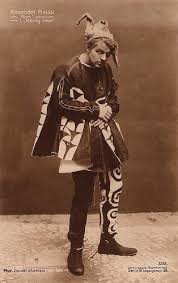
Outdoor playhouses, also known as 'amphitheaters' or 'public' playhouses.
Indoor playhouses, also known as 'halls' or 'private' playhouses.
These were both very different and had very different audiences.
The first ever playhouse was called the Red Lion, built in 1567 by John Brayne. He had converted it from the Red Lion Inn and although there is not much evidence of how successful it was, there was definitely a need for it because many more playhouses were built between the 1570's and the 1620's. Some of them were; in 1576, the Theatre and Newington Butts, 1577, the Curtain, and five other theatres. All of them had regular performances but they weren't all plays, they were used for other forms of entertainment too. Most of the theatres were built south of the river because, although they were popular, the officials who ran the City of London thought they were too popular with thieves and other 'undesirable' people. They also thought they were noisy and disruptive. This is why they were built outside the control of the City officials (outside the city wall in most cases). South bank was already popular with the people because there were animal baiting arenas, brothels and taverns where people could buy food and drink so theatres were the perfect addition to all the fun. The outdoor playhouses had: a central yard with no ceiling, a raised stage sticking out into the yard, a roof over the stage (commonly know as 'the heavens') although the first Rose theatre may not have had one, a tiring house behind the stage with a backstage area for the actors to get dressed and wait to come on, above this were lords' rooms, rooms for storage and a room level with 'the heavens' to work the special effects from, there were also galleried seats all around the yard, on several levels which had roofs. Most playhouses had a brick base with timber framed walls. The gaps between the timbers were filled with sticks, hair and plaster. The roofs were made from thatch and tiles.
(Van Buchel's copy of de Witt's drawing of the Swan playhouse)Now of course, being an actor now and being one then was so different just because all the actors were male. Women were able to perform in other parts of Europe, but were only allowed to perform in England in 1660. Shakespeare's time was a serious turning point for an actors career because before, they would just tour around with companies to perform in towns, cities and private houses. By the time Shakespeare's life was over, London had a several permanent theatres for actors to perform in regularly, which in turn, brought in even bigger audiences, much like today. Although going to the theare was so popular, actors had a terrible reputation of being 'unruly' and a 'threat to a peaceful society'. This is very different from today, because if you are talented and a likable person, the media and the people will love you. Actor training was very different from today too. Young boys would join a company as an apprentice to be taught by one of the more senior actors. Actors had to be able to: sword fight, sing and dance as well as having a good memory to learn lines. A wealthy theatre company size (that were working in a theatre permanently) is around the size of an average one today, 8-12 senior actors or sharers and 3-4 boys, a few hired players (hired men), stage hands, tiremen (a dresser nowadays) and some musicians. You couldn't just start a theatre company like you could today. It would have to be under the patronage of a monarch, the Queens Men for example, or a noble man, like the Lords Admiral's Men or the Lord Chamberlain's Men. Company placements were pretty similar as they are today, sometimes in a permanent theatre, sometimes in a touring one and sometimes even abroad. One slight difference is that they would only tour when the permanent theatre closed because of a plague. While the young actors were establishing themselves, the comic female parts, like Juliet's Nurse, were saved for the popular senior comic actors, or clowns. Being an actor did sound quite stressful though because there would never be the same play put on two days in a row, so they'd be doing several plays and several different parts and all with very little rehearsal time in the morning because they would have to perform in the afternoon as they relied on natural light. On top of that, each actor had their own copy of the play with only their lines and the cue lines. What does sound rewarding is that sometimes there would be roles written specifically for one person, for example the clown, Dogberry in 'Much Ado About Nothing' was written specifically for William Kemp because he was known to be good at physical comedy, and the fool character in 'King Lear' was written for Robert Armin who was more talented at witty language rather than slapstick, which is basically how castings happen nowadays too. Even if you may look perfect for the role, they are looking for how well suited that person is for that character. The costumes that Shakespeare generally used were not accurate for the time he was writing for (apart from the odd toga that may have been thrown in for the Roman plays), instead, they used very flamboyant modern dresses, especially for the leading roles. They played an important part in creating a 'spectacle' and bringing in a crowd because they were often second-hand clothes worn by real nobles. Different from today because we generally try to stay true to whatever time period the writer has chosen to create a world in. There was little to no scenery on the stage other than when the plot really need it, like a throne, a grave or a bed. This is sometimes done, but now, directors have the luxury of choosing if they want an extravagant or minimal stage or not. Exits and entrances were in plain view for the audience but had other fun options like descending from the "heavens" or come in and out from the "hell" below which was a trapdoor. This, I feel, should be done more in modern plays but isn't for some reason. It sounds like it could add an interesting dynamic to the setting or could be an interesting concept to play with, not to mention it would probably be heaps of fun to do.
Wednesday, 29 March 2017
WEEK 3 - SHAKESPEARE’S LONDON AND ELIZABETHAN AUDIENCES
Shakespeare spent most of his time working in London, however, the plays were not performed there. They were performed in places such as Bristol or they toured around the country, performing outdoors and in town halls.
Shakespeare probably chose to stay in London because it was the biggest and richest city in England. It had the first permanent playhouses and the people who were visited were very varied (from wealthy noblemen, to their servants). The rich noblemen in fact became patrons of theatre companies, giving financial and legal support. But London was growing, and quickly, mostly from migrants from the countryside and Europe. Between 1550 and 1600 the population tripled so they were building houses everywhere they could and expanding the suburbs to the countryside. This did not solve the population problem forever because it did become overpopulated which made it easy for disease to spread. Plagues spread mostly in the summer and in 1593, about 10,000 people were killed and all the theatres were closed which makes sense but still makes me really sad.
The fact that the theatres were closed meant that the 10-20,000 people who would go to the theare weekly, couldn't. Generally, people who went to see theatre were men, but it was not only the nobility as one visitor in 1617 claims the crowd around the stage looked like 'a gang of porters and carters', while others said that their servants and apprentices spent all their time there. However, the rich also attended, for example, in 1607, the Venetian ambassador bout all the most expensive seats in the theatre for one of Shakespeare's plays. Royalty too enjoyed the theatre, but would not go to public theatres, rather have the companies come to them. The reason why the theatre was so popular at the time because the cheapest tickets were 1 penny, the same price as a loaf of bread, and the most expensive seats were still only 6 pennies, getting you indoors, a bench and a cushion. No good citizen would be seen standing though because, although it was closer to the stage and actors and you could buy food and drinks, there were no toilets, the floor was probably just sand and it apparently didn't smell very nice.
Other popular forms of entertainment at the time were things like cock-fighting and bear-baiting, who both the rich and the poor enjoyed, but this meant that theatres had to compete with this and were actually banned from performing on Thursdays because ‘the players do recite their plays to the hurt
of bear-baiting, maintained for Her Majesty’s
pleasure’. I feel like this other aggressive entertainment fueled the behavior at the theatre because, even though people would go and dress up, they would still clap the heroes, boo the villains and cheer the special effects. There were also thieves in the audience and there was the odd fight or two. The amount of theatre being produced and put on was quite large considering. Between 1560 and 1640 about 3,000 new plays were written. To keep their audiences engaged, they would often be re-told famous stories and added violence, music and humour to make sure they have their audiences full attention. It was important that the audience was interested and were enjoying themselves because they would do a lot of damage if they were not pleased. At the Swan in 1602, the audience damaged the chairs, stools, curtains and walls. Also, in 1629, a visiting French company was hissed and 'pippin-pelted' off the stage because they got women to play the female parts, something that I will never understand why it was such a big deal.
Thursday, 23 March 2017
WEEK 1 - SETTING THE SCENE - LIFE IN ELIZABETHAN ENGLAND
Poor people in the countryside
I figured that the population of the time would be somewhat similarly divided class wise, most people being poor with much fewer rich people. I had only heard about the rich people's lives before now and didn't realize that the beauty of the countryside was feared by the poor and just how difficult their life was. The cramped conditions and difficulty of being able to buy food for the poor I expected but I didn't think about the fact that it would be dark almost all the time in the home. It makes sense for the windows to be small to retain heat and candles to be too expensive but I never passed much thought about it until now.
I figured that the population of the time would be somewhat similarly divided class wise, most people being poor with much fewer rich people. I had only heard about the rich people's lives before now and didn't realize that the beauty of the countryside was feared by the poor and just how difficult their life was. The cramped conditions and difficulty of being able to buy food for the poor I expected but I didn't think about the fact that it would be dark almost all the time in the home. It makes sense for the windows to be small to retain heat and candles to be too expensive but I never passed much thought about it until now.
Poor people in town
I love visiting busy markets because it gives me a sense of community, especially if the food comes from a family market or something of the sorts and everything seems to be the pretty similar to how it is now. Unfortunately, there was crime back then also, it sounds much worse though because very young people were carrying daggers and swords, which I can only compare to the gun law in America now in terms of how I would probably feel about it. Towns still get scarier at night but te chance of death was much higher then because people had more to loose. Living in that time though, I'm not sure how I would act to survive either. Because I am a woman I probably would not be allowed to carry a sword so I would have to resort to hiding in my home which still probably would not provide fantastic protection. The fact that crime was so rampant, even with the penalty of death for doing the tiniest thing scares me. People were so desperate that they were willing to risk their lives, either that or they didn't see it as a risk because they simply didn't care enough. Also, being a witch was illegal which is silly because a big part of it was making potions out of herbs so if someone wanted to make a remedy for an illness, without any witchy intentions, they could get killed, so if they did not have the money to buy medicine but knew that a mixture of some herbs could cure something, they would just have to suffer or risk getting executed. The 5 different death penaltys are all so horrific sounding but the fact that they were a form of entertainment is disgusting. You have to have something psychologically wrong with you if you see someone die in front of your own eyes and enjoy it. I was aware that a bad harvest was bad but I didn't realise that if it fails two times in a row, families starve to death, but what really baffled me is that you get fined for taking in a homeless person. It just doesn't make sense to me that it's illegal, it's their choice who stays in their house surely, but I guess not. So not being able to afford food and shelter caused people to travel, on foot, for over 200 miles sometimes, and that's with a malnourished body. It must have been such a big decision for people to start a family because there was such a high chance of a slow, painful death everyone with more than half the amount of children being born in a year dying. It is reassuring that a law was eventually passed to help the poor but it isn't sad that it took a three year famine for the government to realize there was a problem. The plague was obviously a big part of history but I wasn't aware that people would get locked into their home until they either died or survived for 6 weeks, but if they couldn't leave the house for 6 weeks, how would they get food? Some people even dug their own grave and waited for death which is so pessimistic, but of course the poor would not have been able to afford the good quality medicine prescribed by a doctor but would have to get cheaper, less effective alternatives, so perhaps digging your own grave saves time and money.
I love visiting busy markets because it gives me a sense of community, especially if the food comes from a family market or something of the sorts and everything seems to be the pretty similar to how it is now. Unfortunately, there was crime back then also, it sounds much worse though because very young people were carrying daggers and swords, which I can only compare to the gun law in America now in terms of how I would probably feel about it. Towns still get scarier at night but te chance of death was much higher then because people had more to loose. Living in that time though, I'm not sure how I would act to survive either. Because I am a woman I probably would not be allowed to carry a sword so I would have to resort to hiding in my home which still probably would not provide fantastic protection. The fact that crime was so rampant, even with the penalty of death for doing the tiniest thing scares me. People were so desperate that they were willing to risk their lives, either that or they didn't see it as a risk because they simply didn't care enough. Also, being a witch was illegal which is silly because a big part of it was making potions out of herbs so if someone wanted to make a remedy for an illness, without any witchy intentions, they could get killed, so if they did not have the money to buy medicine but knew that a mixture of some herbs could cure something, they would just have to suffer or risk getting executed. The 5 different death penaltys are all so horrific sounding but the fact that they were a form of entertainment is disgusting. You have to have something psychologically wrong with you if you see someone die in front of your own eyes and enjoy it. I was aware that a bad harvest was bad but I didn't realise that if it fails two times in a row, families starve to death, but what really baffled me is that you get fined for taking in a homeless person. It just doesn't make sense to me that it's illegal, it's their choice who stays in their house surely, but I guess not. So not being able to afford food and shelter caused people to travel, on foot, for over 200 miles sometimes, and that's with a malnourished body. It must have been such a big decision for people to start a family because there was such a high chance of a slow, painful death everyone with more than half the amount of children being born in a year dying. It is reassuring that a law was eventually passed to help the poor but it isn't sad that it took a three year famine for the government to realize there was a problem. The plague was obviously a big part of history but I wasn't aware that people would get locked into their home until they either died or survived for 6 weeks, but if they couldn't leave the house for 6 weeks, how would they get food? Some people even dug their own grave and waited for death which is so pessimistic, but of course the poor would not have been able to afford the good quality medicine prescribed by a doctor but would have to get cheaper, less effective alternatives, so perhaps digging your own grave saves time and money.
The court of Elizabeth I
Because of the huge gap between the rich and the poor, I didn't know the poor could even enter the court, but it doesn't matter because they were still not accepted because of the way their clothes, of course they were not able to keep up with the latest fashion trends from the continent brought by the courtiers, either in person, or by sending fashion dolls wearing miniature versions of the clothes. The clothes got more and more lavish as Elizabeth's reign went on, something that the puritans disapproved of greatly. The rich would also show off in the medium of colour, it was law that only aristocracy and others of their kind could wear certain fabrics. I was surprised to find out that, more often than not, queen Elizabeth was not even in her court , but on a royal progress. During her absence, all the tapestries and silver cutlery and other valuables get put in storage while servants keep everything clean and aired, awaiting her return, which seems like a huge waste to me. It is interesting to me that she did so many of these because she didn't have to go and meet her subjects , but I made sure it got her in their good books a bit at least because she made the effort to even get to know some of them. While on these royal progresses, she would stay with a lord that lived nearby, on one of her trips, she brought 2000 people with her, and for only a two day trip, cost the man over £600 which, a son I've learned, is way more than it sounds. Having the queen stay with you was obviously a great honor, but at what cost? What if they could not afford it? To keep up appearances, they would have to find a way.
Because of the huge gap between the rich and the poor, I didn't know the poor could even enter the court, but it doesn't matter because they were still not accepted because of the way their clothes, of course they were not able to keep up with the latest fashion trends from the continent brought by the courtiers, either in person, or by sending fashion dolls wearing miniature versions of the clothes. The clothes got more and more lavish as Elizabeth's reign went on, something that the puritans disapproved of greatly. The rich would also show off in the medium of colour, it was law that only aristocracy and others of their kind could wear certain fabrics. I was surprised to find out that, more often than not, queen Elizabeth was not even in her court , but on a royal progress. During her absence, all the tapestries and silver cutlery and other valuables get put in storage while servants keep everything clean and aired, awaiting her return, which seems like a huge waste to me. It is interesting to me that she did so many of these because she didn't have to go and meet her subjects , but I made sure it got her in their good books a bit at least because she made the effort to even get to know some of them. While on these royal progresses, she would stay with a lord that lived nearby, on one of her trips, she brought 2000 people with her, and for only a two day trip, cost the man over £600 which, a son I've learned, is way more than it sounds. Having the queen stay with you was obviously a great honor, but at what cost? What if they could not afford it? To keep up appearances, they would have to find a way.
Who were the rich in Elizabethan England?
Pretty much everyone in a painting was rich, because they were the only ones who were able to afford it, but they didn't not always have power. The gentry held very much power, and though they were definitely not poor, they were not always the richest. Essentially, they ran everything. But you could really tell a rich person by their house. The size, amount of servants and what decorated the inside were a massive give away. But the rich also loved to keep clean, it did not always bathe because their water was filthy. So they would use rain water, but only on the body parts that's on show because it was given from God. Instead, they would use linen cloths called rubbers co clean everything, and they would change their undergarments daily, so keeping yourself clean was done by washing clothes instead of your body. Considering their conditions, I guess they did the best that that could. Because they could afford it, they would use perfume to cover odors as well. To keep their teeth clean, they would use linen again, just a smaller strip and toothpicks which I would not fee comfortable doing at all. Rich people would never be seen walking to a destination, they got horse drawn carriages, but it was quite expensive to do so because of course the carriage and horses, but a coachman, and food for him and the horses with can be more expensive than their own food apparently. The rich did have to be careful what they and their servants said to others because the Queen had spies because she had lots of enemies. Puritans, because of their religious beliefs, and many Catholics who did not like the fact that she was Protestant.
Pretty much everyone in a painting was rich, because they were the only ones who were able to afford it, but they didn't not always have power. The gentry held very much power, and though they were definitely not poor, they were not always the richest. Essentially, they ran everything. But you could really tell a rich person by their house. The size, amount of servants and what decorated the inside were a massive give away. But the rich also loved to keep clean, it did not always bathe because their water was filthy. So they would use rain water, but only on the body parts that's on show because it was given from God. Instead, they would use linen cloths called rubbers co clean everything, and they would change their undergarments daily, so keeping yourself clean was done by washing clothes instead of your body. Considering their conditions, I guess they did the best that that could. Because they could afford it, they would use perfume to cover odors as well. To keep their teeth clean, they would use linen again, just a smaller strip and toothpicks which I would not fee comfortable doing at all. Rich people would never be seen walking to a destination, they got horse drawn carriages, but it was quite expensive to do so because of course the carriage and horses, but a coachman, and food for him and the horses with can be more expensive than their own food apparently. The rich did have to be careful what they and their servants said to others because the Queen had spies because she had lots of enemies. Puritans, because of their religious beliefs, and many Catholics who did not like the fact that she was Protestant.
To what extent was life changing?
the middle classes were most effected by Queen Elizabeth. Chimneys were invented and mean that houses could be built upwards and because bricks were being mass produced, they were much cheaper and more available for everyone. It was much more fashionable to live in a two story home and was a sign of status. But although a chimney and a second floor were important, glass windows were the ultimate sign of status, but people would often just have glass windows at the front of the house to show off and still have shutters at the back. Lots of people were moving to town to try and gain status. Many books were being published in English now as well, which encouraged ordinary people to read. It allowed townspeople to gain knowledge through literature. The Bible in English was the most popular because they could read it in their own home and became almost a 'self help book' which hopefully decreased the crime, reading helped ordinary people move up the social ladder. I find it really difficult to imagine not being able to read and write, so this must have been a huge change for people. Because books were more available, it was easier to teach, so more schools were appearing. Which, again, a huge difference to the quality of life and future of the people. Printing, gunpowder and the compass were also invented. The knowledge from books encouraged people to travel and the compass helped massively. Unfortunately, along with traveling, the not so rich were able to steal from other countries with the aid of gunpowder and cannons. They started just stealing money but then moved onto trying to get ownership of the Spanish sea. Going out on a boat sounds terrible though, other than the fear of scurvy, there was a huge hygiene problem, they weren't able to wash and they all had lice. Lots of them died too, so with the small chance of getting rich, would it even be worth it? With missing teeth and an abundance of diseases, I don't think money would count for much. Luckily though, some good did come of traveling. Explorers brought back so many discoveries about plants and animals. There was then an expansion of botanical gardens and they were able to make more medicine and cure more illnesses.
the middle classes were most effected by Queen Elizabeth. Chimneys were invented and mean that houses could be built upwards and because bricks were being mass produced, they were much cheaper and more available for everyone. It was much more fashionable to live in a two story home and was a sign of status. But although a chimney and a second floor were important, glass windows were the ultimate sign of status, but people would often just have glass windows at the front of the house to show off and still have shutters at the back. Lots of people were moving to town to try and gain status. Many books were being published in English now as well, which encouraged ordinary people to read. It allowed townspeople to gain knowledge through literature. The Bible in English was the most popular because they could read it in their own home and became almost a 'self help book' which hopefully decreased the crime, reading helped ordinary people move up the social ladder. I find it really difficult to imagine not being able to read and write, so this must have been a huge change for people. Because books were more available, it was easier to teach, so more schools were appearing. Which, again, a huge difference to the quality of life and future of the people. Printing, gunpowder and the compass were also invented. The knowledge from books encouraged people to travel and the compass helped massively. Unfortunately, along with traveling, the not so rich were able to steal from other countries with the aid of gunpowder and cannons. They started just stealing money but then moved onto trying to get ownership of the Spanish sea. Going out on a boat sounds terrible though, other than the fear of scurvy, there was a huge hygiene problem, they weren't able to wash and they all had lice. Lots of them died too, so with the small chance of getting rich, would it even be worth it? With missing teeth and an abundance of diseases, I don't think money would count for much. Luckily though, some good did come of traveling. Explorers brought back so many discoveries about plants and animals. There was then an expansion of botanical gardens and they were able to make more medicine and cure more illnesses.
London
It was the biggest, richest places to be. It was, as it is today, very cultured, it had all sorts of classes, job occupations and even tourists. In Elizabeth's reign, the population more than doubled, but she didn't like that happening because people were getting too close to her castle so she stopped them from coming any closer, but that made it so much more cramped. It did not stop growing though? They just built up. And hygiene was a huge issue as well. There were no flushing toilets or drains which lead to an awful smell. But it was, for them, the smell of progress because it meant they were growing. It is interesting to me that the river was such a huge factor of London. People used it as a mode of transport and held their port which made it so special. But all this filth really allowed the plague to flourish to which there was no cure. I'm sure it was a big awakening for some of the rich because it gave them a sense of mortality because there was no way of getting around it, if they caught it, it did not matter that they were rich. The most important part of Elizabethan England personally was Shakespeare. 1 in 3 of the adults would watch a play every month which provided them with rich entertainment and culture. it was able to hold 2000 people which unfortunately also held pickpockets, but it was still a huge benefit to everyone that was able to go.
It was the biggest, richest places to be. It was, as it is today, very cultured, it had all sorts of classes, job occupations and even tourists. In Elizabeth's reign, the population more than doubled, but she didn't like that happening because people were getting too close to her castle so she stopped them from coming any closer, but that made it so much more cramped. It did not stop growing though? They just built up. And hygiene was a huge issue as well. There were no flushing toilets or drains which lead to an awful smell. But it was, for them, the smell of progress because it meant they were growing. It is interesting to me that the river was such a huge factor of London. People used it as a mode of transport and held their port which made it so special. But all this filth really allowed the plague to flourish to which there was no cure. I'm sure it was a big awakening for some of the rich because it gave them a sense of mortality because there was no way of getting around it, if they caught it, it did not matter that they were rich. The most important part of Elizabethan England personally was Shakespeare. 1 in 3 of the adults would watch a play every month which provided them with rich entertainment and culture. it was able to hold 2000 people which unfortunately also held pickpockets, but it was still a huge benefit to everyone that was able to go.
WEEK 2 - SHAKESPEARE’S LIFE AND BIOGRAPHY

Baptize date: 26th April, 1564 - Stratford-upon-Avon
Death date: 23rd April, 1616
He spent the majority of his life in Stratford and London. Growing up, making a family and buying property in Stratford and working in London. He became very well known and prosperous throughout his life as an actor, a playwright and a partner in a leading acting company.
His Family Tree:

William's father, John, began as a leatherworker, and after marrying Mary Arden (whose family was very prominent), rose through local offices in Stratford and eventually became the town bailiff. Not long after however, he stepped out of the public eye for reasons unknown.
This prosperous beginning allowed William to attend a grammar school where he would have had Latin lessons, which would have included; memorising, writing and acting in classic Latin plays up until the age of, most likely, 15.
A few years after leaving school, in late 1582, he married Anne Hathaway, who was already expecting their first child, Susanna. In early 1585, they had twins, Judith and Hamnet. William ended up moving to London at some point for work, leaving his family alone almost all the time. This and the fact they had relatively few children suggested that there was a stress on the marriage. But there is no evidence of this and he would have had to live in London anyway to pursue any work in the theatre.
Shakespeare's only son died when he was 11 in 1596. Susanna married John Hall, a doctor, and gave Shakespeare his first grandchild, Elizabeth, in 1608. A few months before his death, his other daughter, Judith, married a vintner named Thomas Quiney.
Not much is known about Shakespeare's life after Judith and Hamnet's arrival in 1585. 1592 is the next time there is a definite record of him. He was, by then, already an established actor and playwright who getting mocked by a contemporary playwright, getting called a "Shake-scene". The same guy talked about Shakespeare's Henry VI, one of his earlier historical pieces, so it must have already been performed by then. The following year, Shakespeare published the long poem, Venus and Adonis, but it was in 1594 that the first quarto editions of his early plays appeared. Over the next 2+ decades, he gathered more success through his acting, writing and part ownership of the Lord Chamberlain's Men (renamed the King's Men in 1603).
Shakespeare prospered financially from the partnership of the theatre company, as well as the acting and writing. He invested most of his earning into buying property in Stratford, purchasing the second largest estate in the town, New Place, in 1957.
One of the last plays he worked on was The Two Noble Kinsmen, which he wrote with John Fletcher (someone who he collaborated with often) around 1613. His cause of death is unknown, but his brother-in-law died the week before which could suggest and infectious disease, but then again, his health could have been poor for a while before also.
Subscribe to:
Posts (Atom)